Procurement Basics

Unlocking Success: Why Strategic Sourcing Matters
Would you like to improve your procurement process, develop supply channels, and gain a competitive advantage? Let's see how strategic sourcing can be helpful with the task.

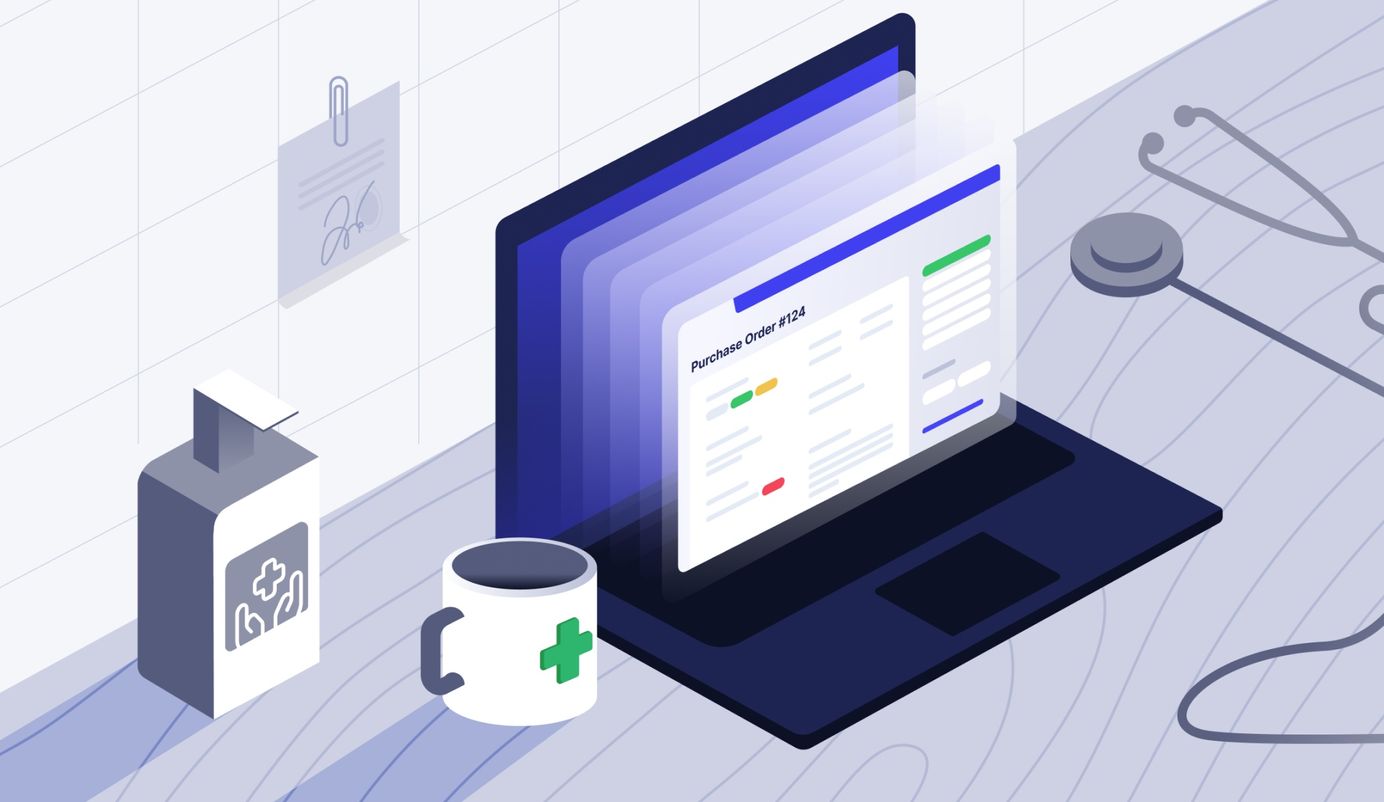
5 Must-Have Software Solutions for the Healthcare Industry
Healthcare software can tackle various needs in the medical field. Learn about the most useful features, what kind of tools to prioritize, and how to build the best stack for your organization.

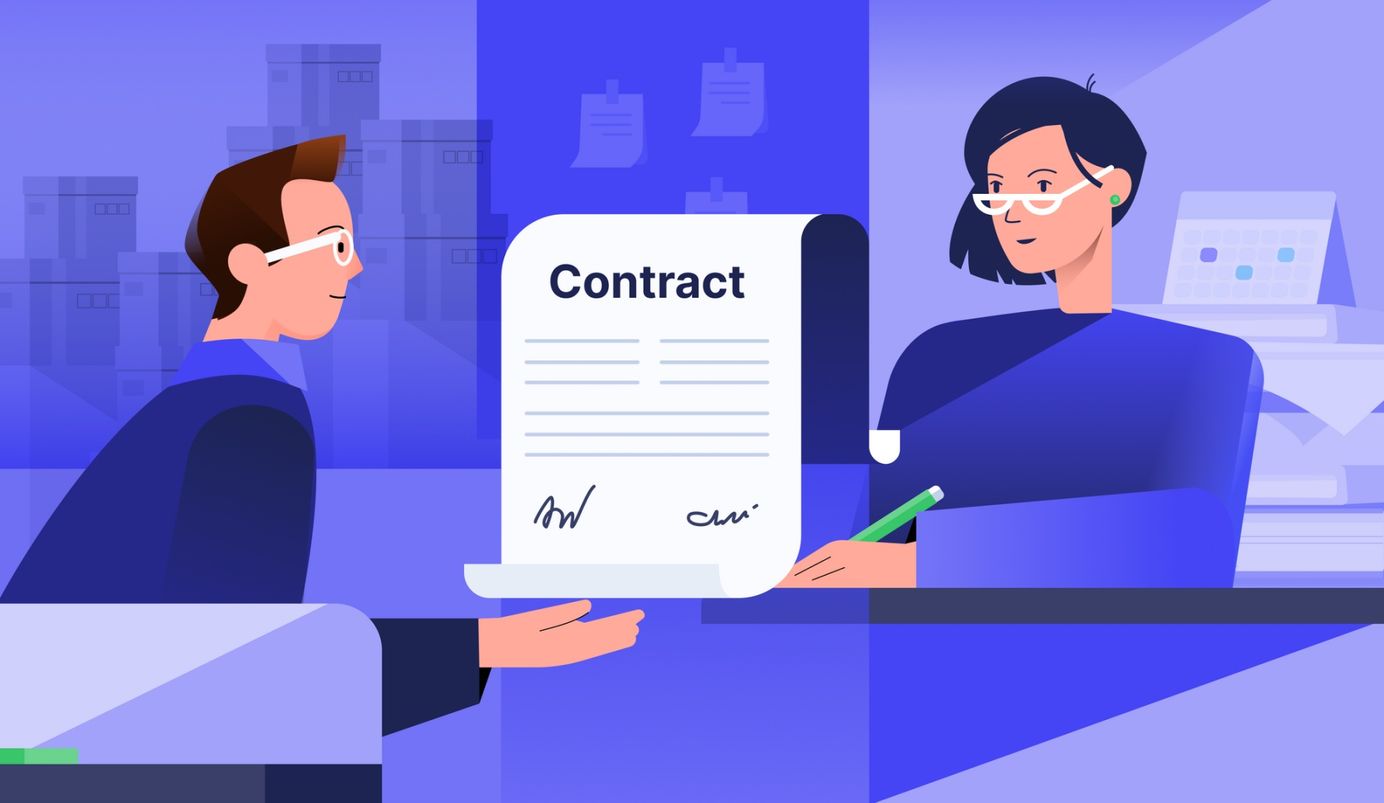
Understanding Procurement Contracts
No matter how great your procurement process is, bad purchasing contracts can leave you stuck in the mud. Learn how to tread smoothly when it comes to procurement contracts.

Expense Reports: A Comprehensive Guide
Sometimes, things just have to be paid here and now, so employees reach into their pockets to cover the work-related expenses with their own money. And that's okay, as long as the company reimburses that cost. For this to happen, expense reports must come into play.

Five Foolproof Ways to Shorten the Cash Conversion Cycle
How do companies improve their cash flow and liquidity? By shortening the cash conversion cycle! There are five main tips you should know.

The Definitive Guide to Cost Savings
The COVID-19 pandemic and then the full-scale Russian invasion of Ukraine have proved that, at any moment, seemingly perfect plans and financial projections can suddenly become unrealistic.

The Top 5 Skills Every Procurement Manager Needs
Explore the most important skills for procurement managers. Plus, read about common challenges for a purchasing manager and how to solve them.
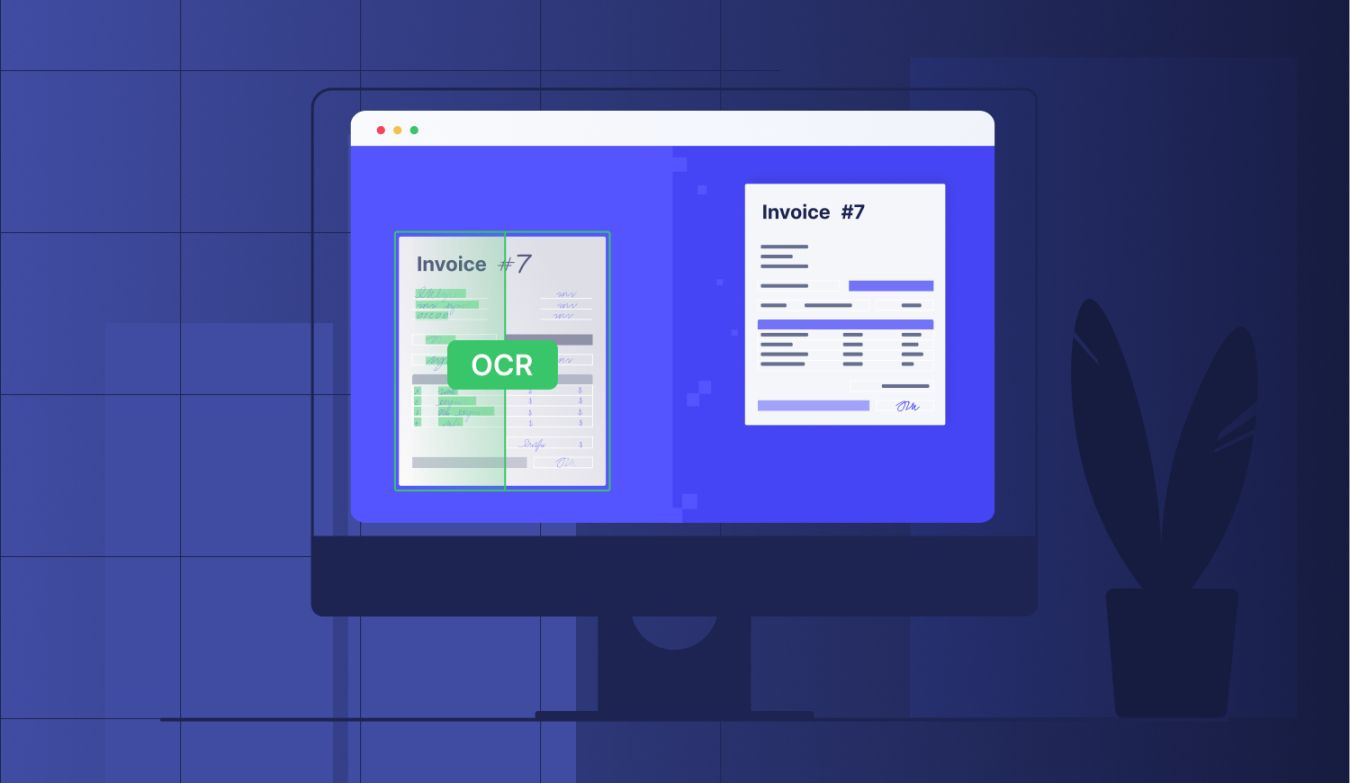
Automated Invoice Processing with OCR: How It Works and Why Use It
Discover the fundamentals of automated invoice processing with OCR: how the combo works, what advantages it offers, and solutions for AP challenges.