
Localization in Accounts Payable: Global AP Management Guide
Explore how to implement localization in accounts payable without losing tax and compliance control in a multi-entity and multi-currency procurement.

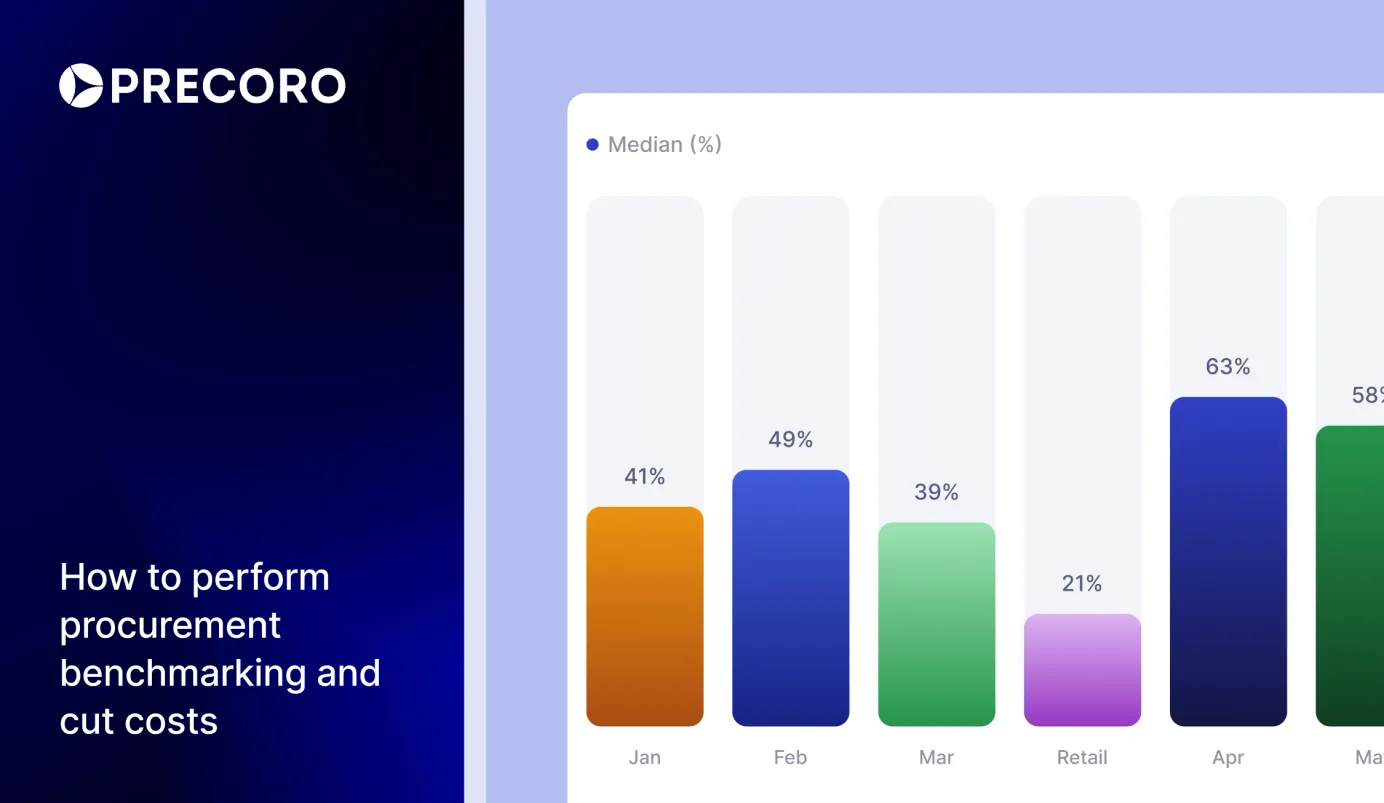
How to Do Procurement Benchmarking: A Practical Guide
Discover how to do procurement benchmarking effectively to find savings, improve supplier performance, and cut cycle time.

Procurement Change Management: How to Implement Without Disruptions
Learn how to master procurement change management with proven strategies for smooth transitions and cost savings. Get practical, actionable insights.
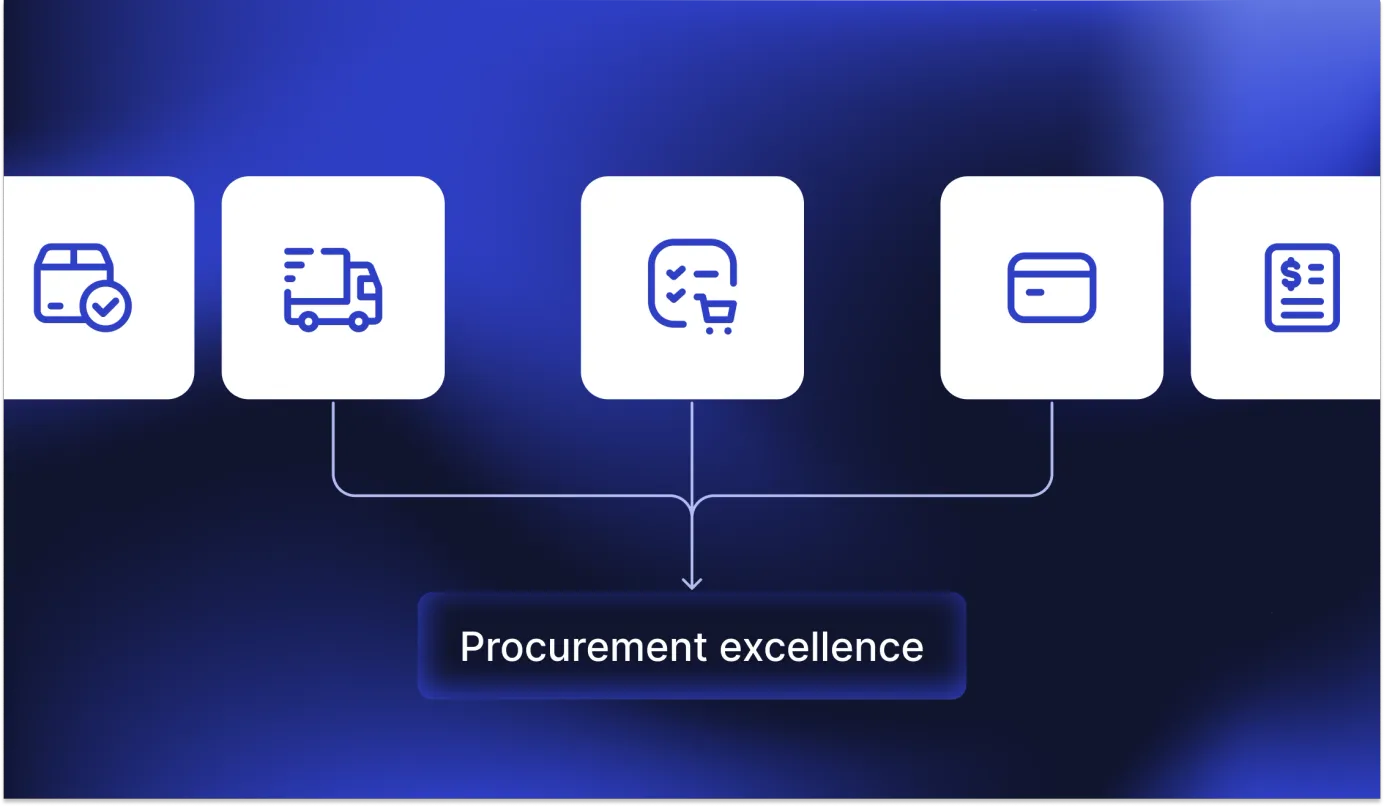
Procurement Excellence: Framework, Pillars, and Implementation Challenge
Learn what procurement excellence means, its core pillars, maturity stages, KPIs, and how it drives measurable business value.
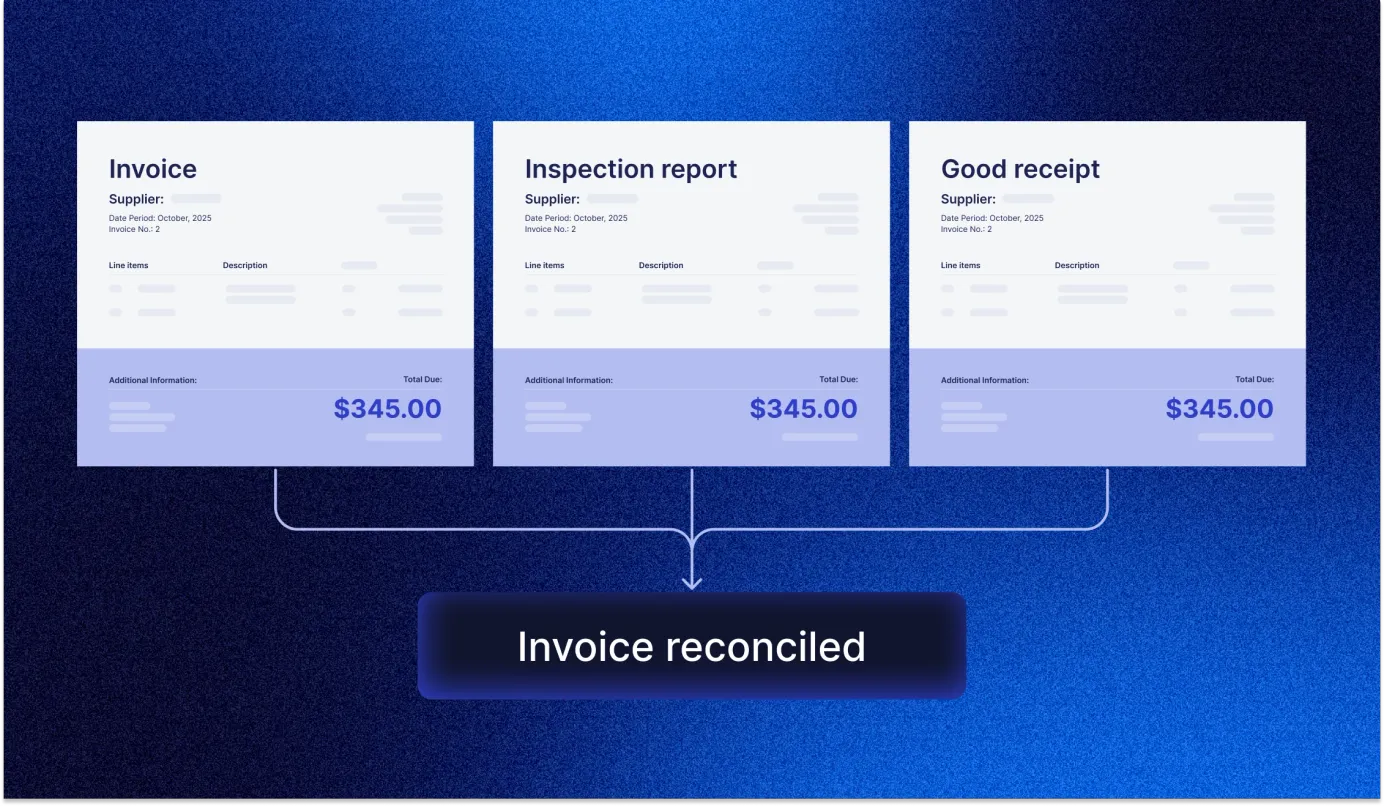
Invoice Reconciliation: What It Is, Benefits, and How to Reconcile Invoices
Understand how invoice reconciliation works, its benefits, and the best practices to reduce errors and speed up your AP process.
Procurement Challenges and Solutions: From Strategy to Execution
Address procurement challenges head-on, from supply chain issues to vendor control, with cost-saving solutions.

Global Sourcing 101: Meaning, Benefits, Challenges, and Trends
Learn how global sourcing works, explore its advantages, and understand how to manage suppliers effectively across borders.

Spend Aggregation 101: How to Centralize and Optimize Corporate Spend
Watch spend aggregation improve compliance, accuracy, and cost control across your organization.